
Receiving counts drift from the ASN, and shortages surface after put-away.
ENPFOX Warehouse & Logistics · Solution brief sales@enpfox.com
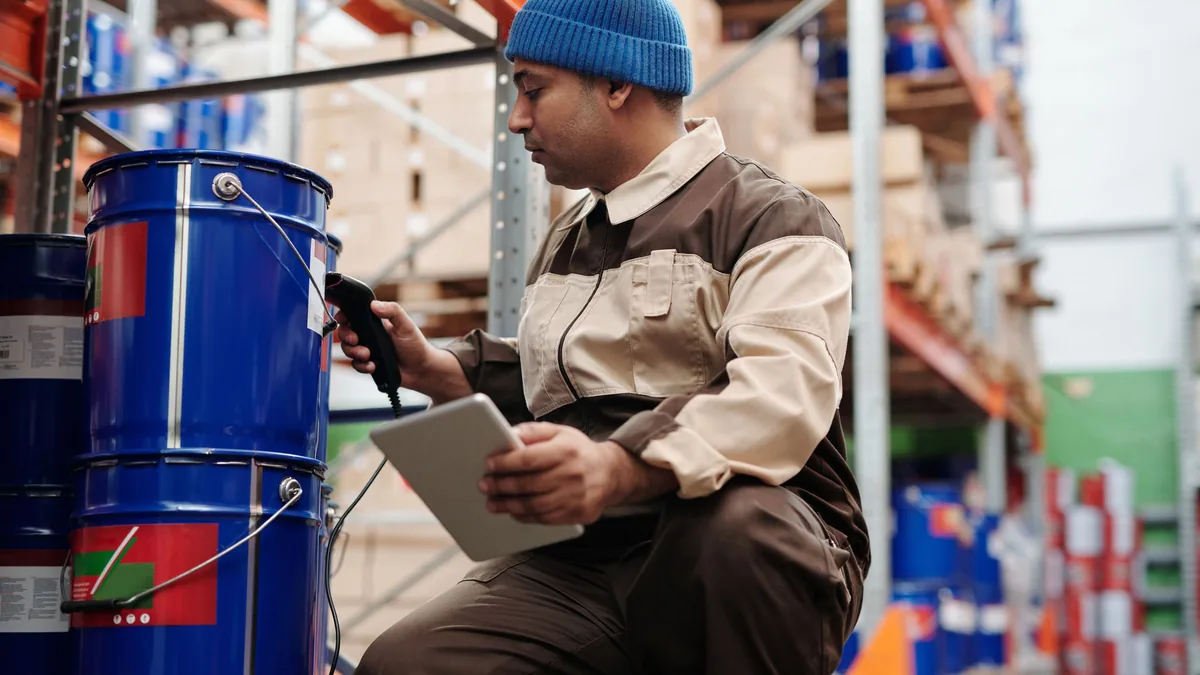
WAREHOUSE & LOGISTICS
Warehouse & Logistics
Catch receiving errors at the dock. Count the aisle in one pass. Ship the right parcel.
THE OPERATIONAL GAP
Inventory accuracy is decided at the point of work.
Most warehouse errors are not system errors. They are unrecorded physical exceptions: a short pallet, a mis-scanned pick, a label printed too late. The WMS can only be as accurate as the events it receives.
Cycle counts are planned around their cost, so problem locations are counted too late.
Pick, pack and labelling happen in different places, and errors reach the customer.
Exception data is written down or remembered instead of captured where it happens.
FIELD SCENARIOS
Three field scenarios.
Inbound, storage and outbound are a chain of verification points. Every unrecorded exception travels with the inventory. These scenarios capture the physical truth before it reaches the WMS.
01.1
Dock-to-stock receiving
Inbound pallets arrive mixed-SKU and often against a tight dock schedule. Manual counts drift from the ASN, shortages surface after put-away, and receiving data reaches the WMS late.
Workflow
- Scan the ASN and pallet license plate at the dock.
- Verify carton count and SKU against the expected receipt.
- Use UHF RFID for bulk pallet verification where tags are applied.
- Flag short, over or unknown items and print an exception label on the spot.
- Confirm receipt and release a put-away task to the WMS.
What improves
- Receiving discrepancies are caught at the dock, not after put-away.
- Dock staff spend time moving goods instead of re-counting them.
- WMS inventory reflects the floor within the receiving shift.
Recommended setup
Exception labeling uses a configured device with barcode capture or a compatible paired printer. Confirm media and print width for the SKU.
01.2
RFID cycle counting
Cycle counts are planned around the cost of counting. Staff work shelf by shelf, counts are incomplete in dense storage, and different teams can reach different numbers for the same SKU.
Workflow
- Download the count plan and location list to the handheld.
- Walk the aisles and capture UHF tags in bulk; scan barcodes for untagged items.
- Review duplicates, exceptions and location mismatches on the device.
- Run a blind recount for high-variance locations.
- Post the count and variance report to WMS / ERP.
01.3
Pick, pack and dispatch
Orders leave with the wrong item, quantity or label, and the error is discovered by the customer. Pack stations become a bottleneck when labels are printed somewhere else.
Workflow
- Scan the pick location and item against the order.
- Verify quantity and serial or lot where required.
- Pack to the carton and scan the carton ID.
- Print the shipping label and packing document at the station.
- Confirm dispatch and hand tracking data to the WMS / TMS.
What improves
- Order accuracy is verified before the parcel leaves.
- Fewer trips and reprints between pack station and office printer.
- Dispatch status is available to customer service in real time.
Recommended setup
Station printing requires a configured device or a compatible label printer.
RECOMMENDED SETUP
Build the device bundle.
A starting configuration. Final module, accessory and OS choices depend on the workflow, environment and target market.
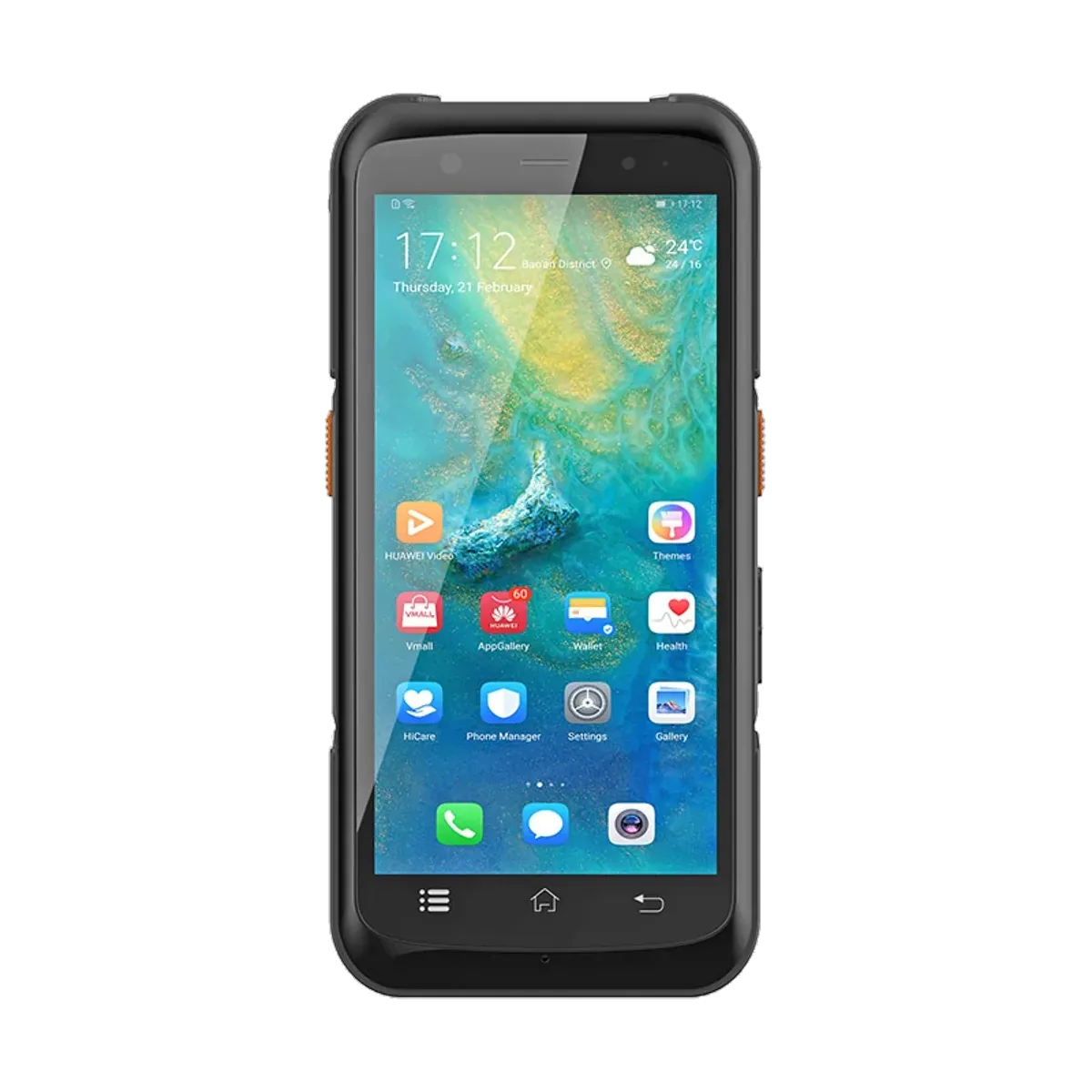
RFID Handhelds
HT540-UHF
UHF RFID handheld for item-level stock counts, asset audits and short-range inventory reads.
View product →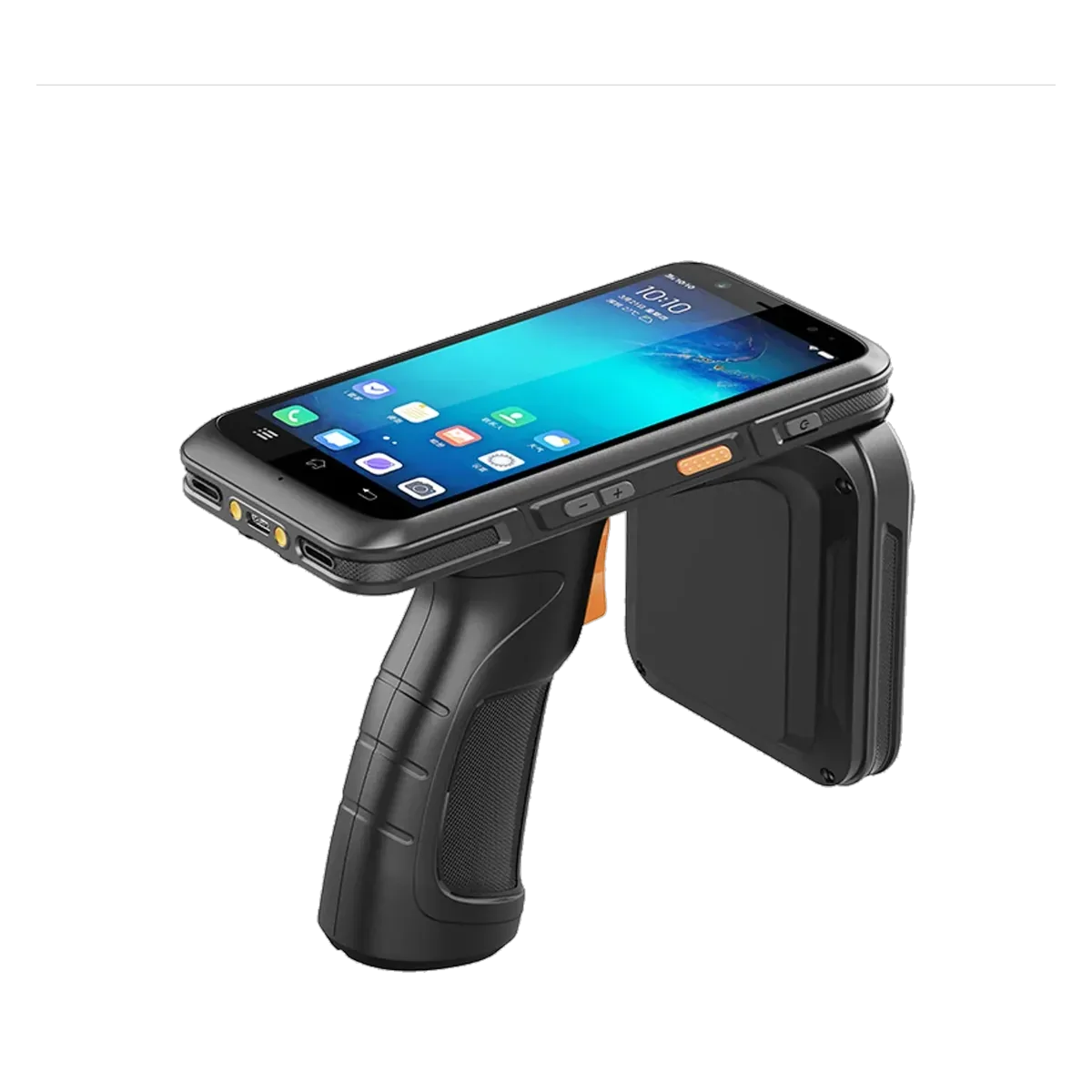
RFID Handhelds
HT550
Long-range UHF RFID handheld with Android 13, a 9,600 mAh battery and optional barcode scanning.
View product →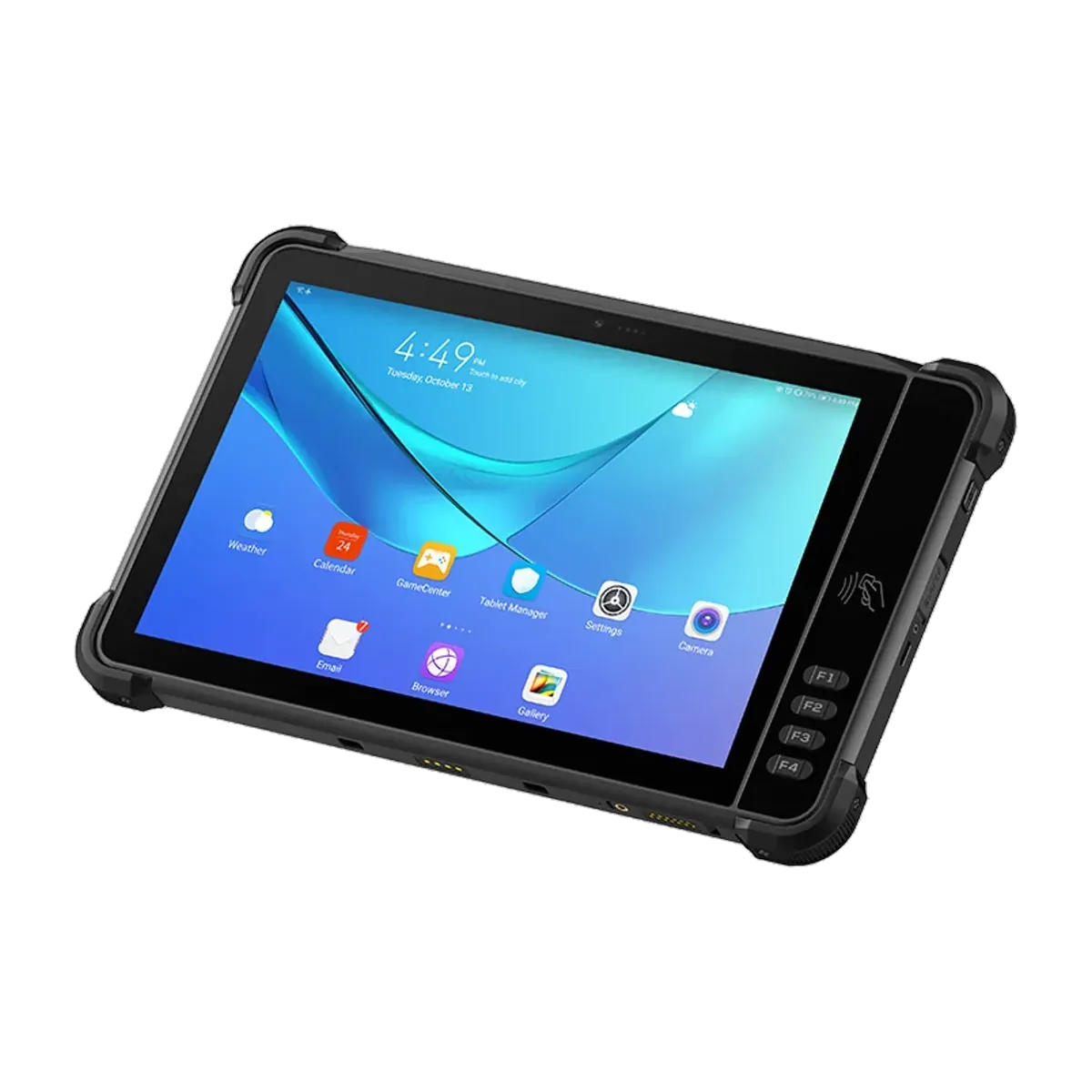
Rugged Tablets
Y100 RFID
A 10.1-inch rugged tablet with an integrated Impinj UHF RFID module for inventory and asset audits.
View product →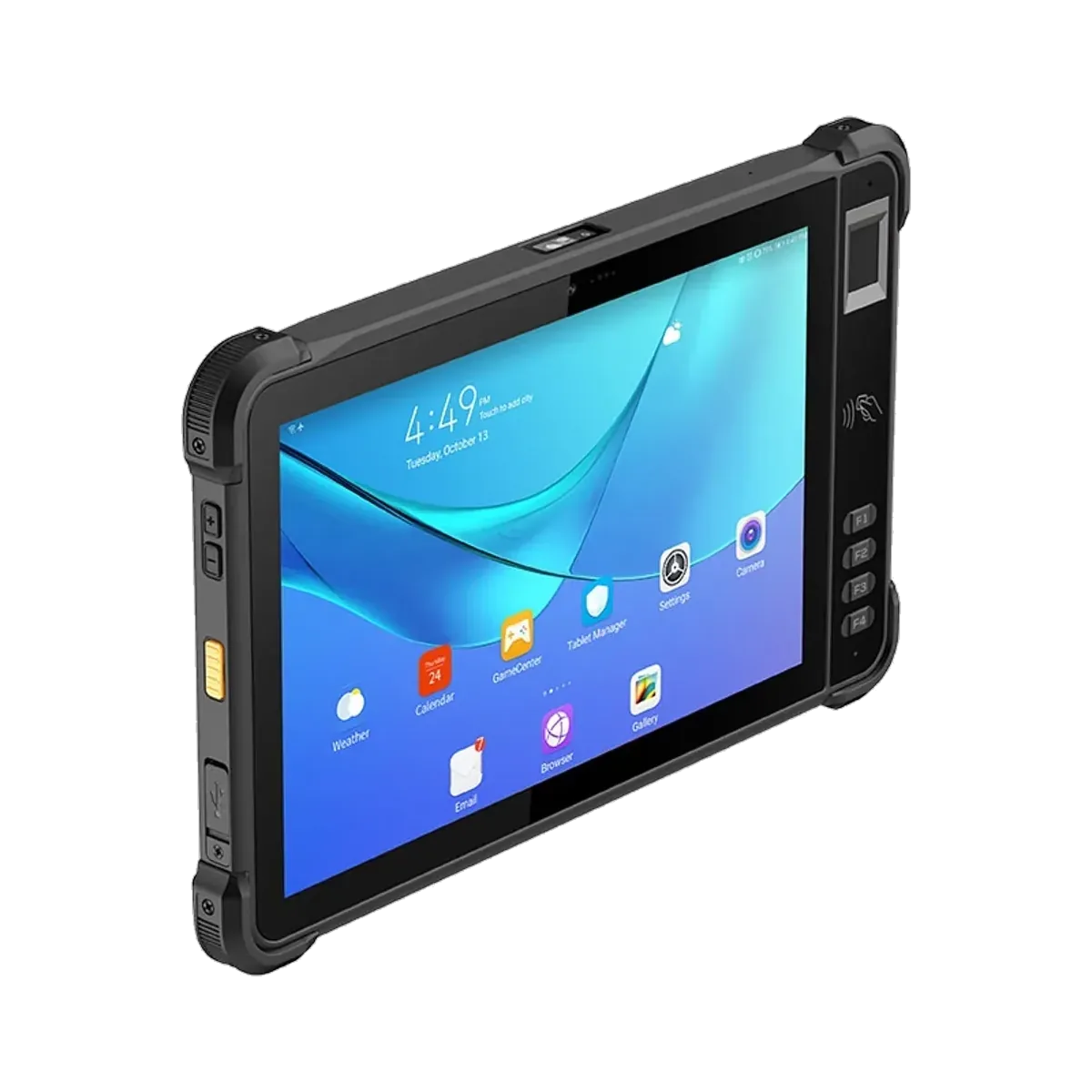
Rugged Tablets
Y100 Standard
The base 10.1-inch Android 16 tablet for mobile work, inspection and optional data capture.
View product → WHAT IMPROVES
What changes after deployment.
- Receiving discrepancies are caught before put-away.
- Counts cover more locations per shift with the same team.
- Order accuracy is verified before the parcel leaves.
- Inventory events reach the WMS within the shift.
DEPLOYMENT SNAPSHOT
Warehouse & logistics
- Environment
- Dock, DC, 3PL and cold-chain areas
- Shift pattern
- One to three shifts; peak-season surge
- Connectivity
- Wi-Fi inside; cellular at yard and remote sites
- Accessories
- Pistol grip, spare battery, charging cradle, vehicle mount
- Integration
- WMS / ERP through your middleware or ours
BEFORE QUOTATION
Four things we confirm before we recommend a configuration.
A short technical review prevents most deployment surprises. These are the questions we work through with your team.
- Confirm the barcode symbologies, tag types and read ranges in use.
- Confirm Wi-Fi coverage, roaming behaviour and any dead zones.
- Confirm the label media, print width and template ownership.
- Confirm the WMS / ERP interface and who owns the integration.
DEPLOYMENT PATH From workflow review
From workflow review
to fleet rollout.
Hardware is one part of a deployment. A short, structured process reduces rework and gives both teams a clear acceptance point.
Workflow review
Map the current steps, the exceptions and the data each step must produce. Agree what good looks like before selecting hardware.
Configuration
Choose the form factor, capture modules, OS, accessories and integration points. Confirm regional bands and approvals.
Pilot
Deploy to one site or one shift. Compare accuracy, cycle time and exception rates with the current process.
Rollout & support
Stage devices, configure MDM, train users, plan spares and agree the support path for the fleet.
STANDARD OR CUSTOM
Need the device configured around your workflow?
We support OS and software configuration, module and accessory selection, branding and packaging for channel and project deployments.
Explore ODM / OEM ↗- OS, software and MDM configuration
- Capture modules and accessory kits
- Branding, packaging and documentation
Other industries
NOT SEEING YOUR WORKFLOW? Tell us how your team
Discuss this workflow ↗ Tell us how your team
works today.
We will map the steps, the exceptions and the data — then recommend a device and configuration.