RFID Handheld Series
One range. Three RFID bands. Two performance tiers.
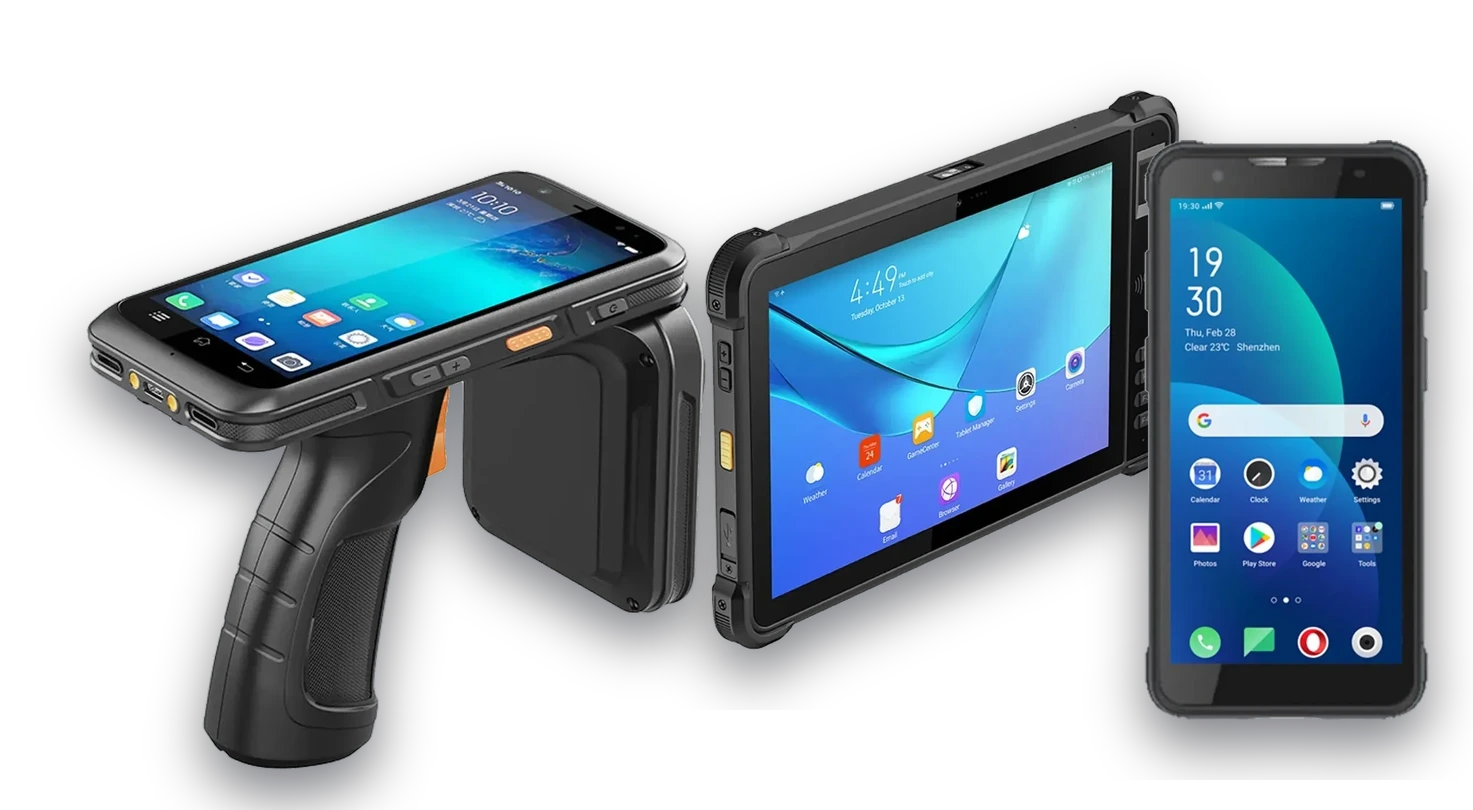
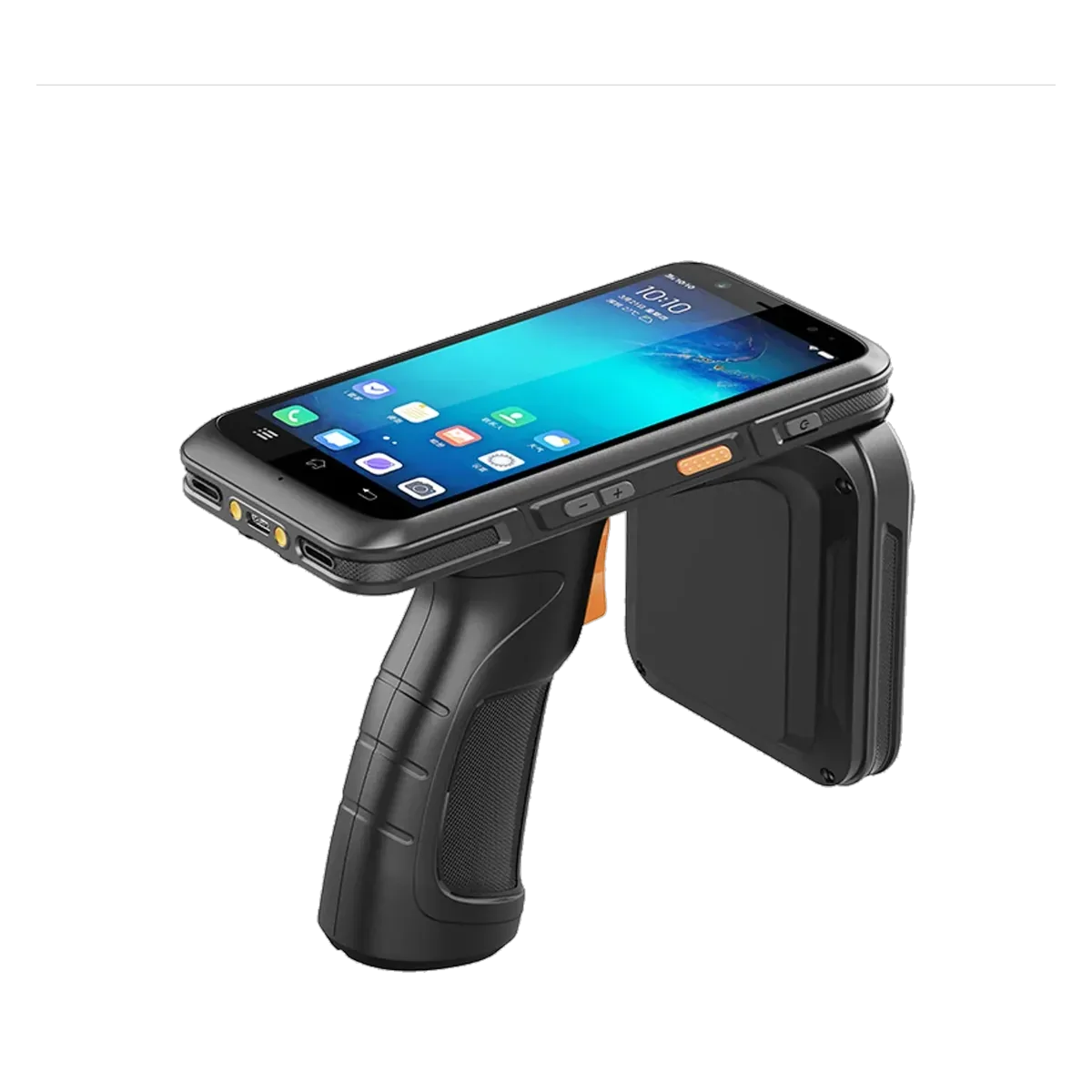
A 5.5-inch Android RFID handheld range with LF, HF and UHF configurations, plus a long-range UHF model for bulk inventory and asset audits.
RFID handhelds, a barcode handheld and a 10.1-inch rugged tablet platform for close-range identification, bulk inventory, barcode data capture and field computing. Choose the category for the work, then configure the version.
Four common starting points. Each one leads to the product line and configuration that fits it.
Read tags in volume, cover more per pass and keep the count moving across the site.
Explore the series → LF · HF · UHFRead LF, HF or short-range UHF tags on one handheld platform, with barcode and NFC options.
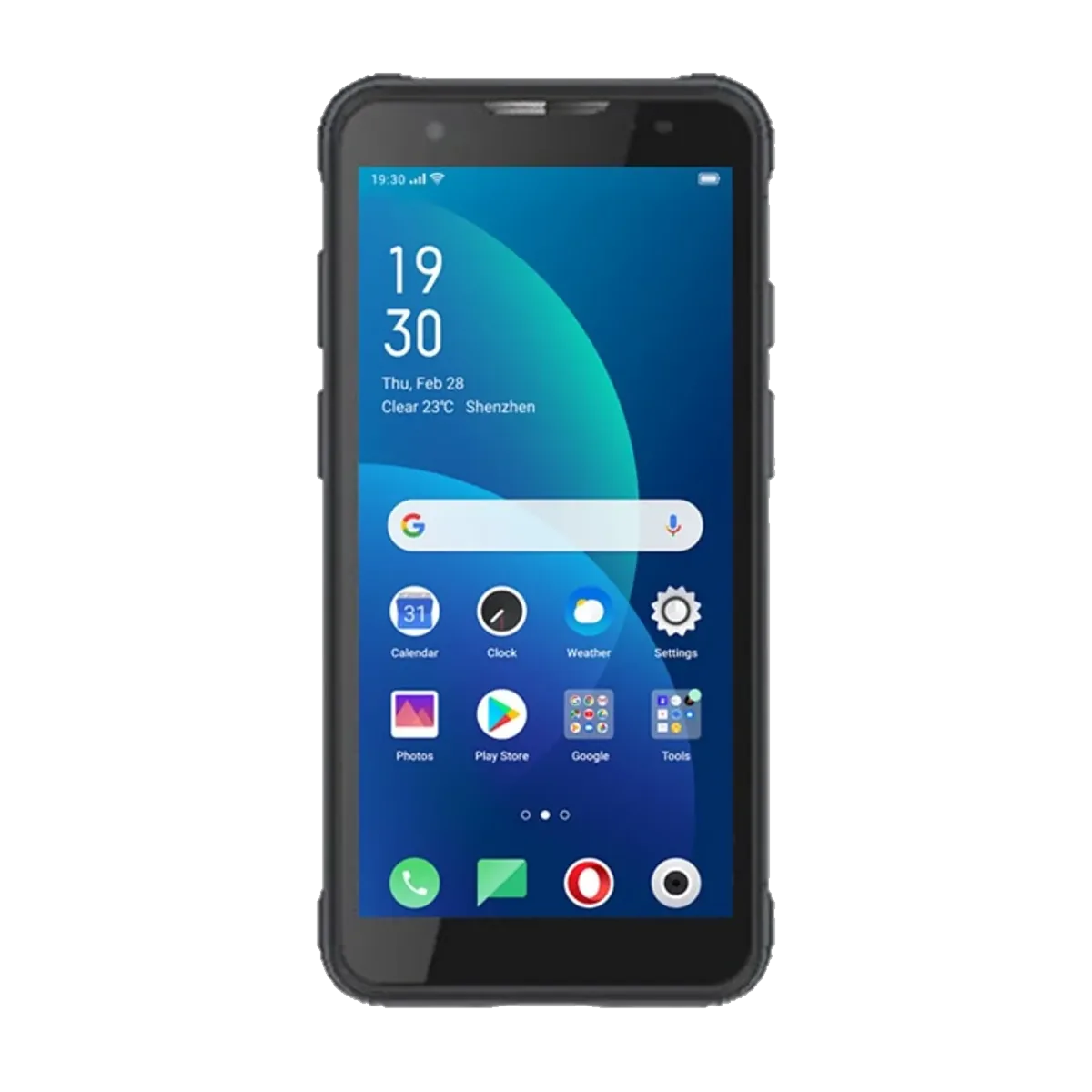
Explore the series → 1D / 2DA 6.0-inch Android handheld with a professional 1D/2D scan engine for receiving, picking and field data capture.
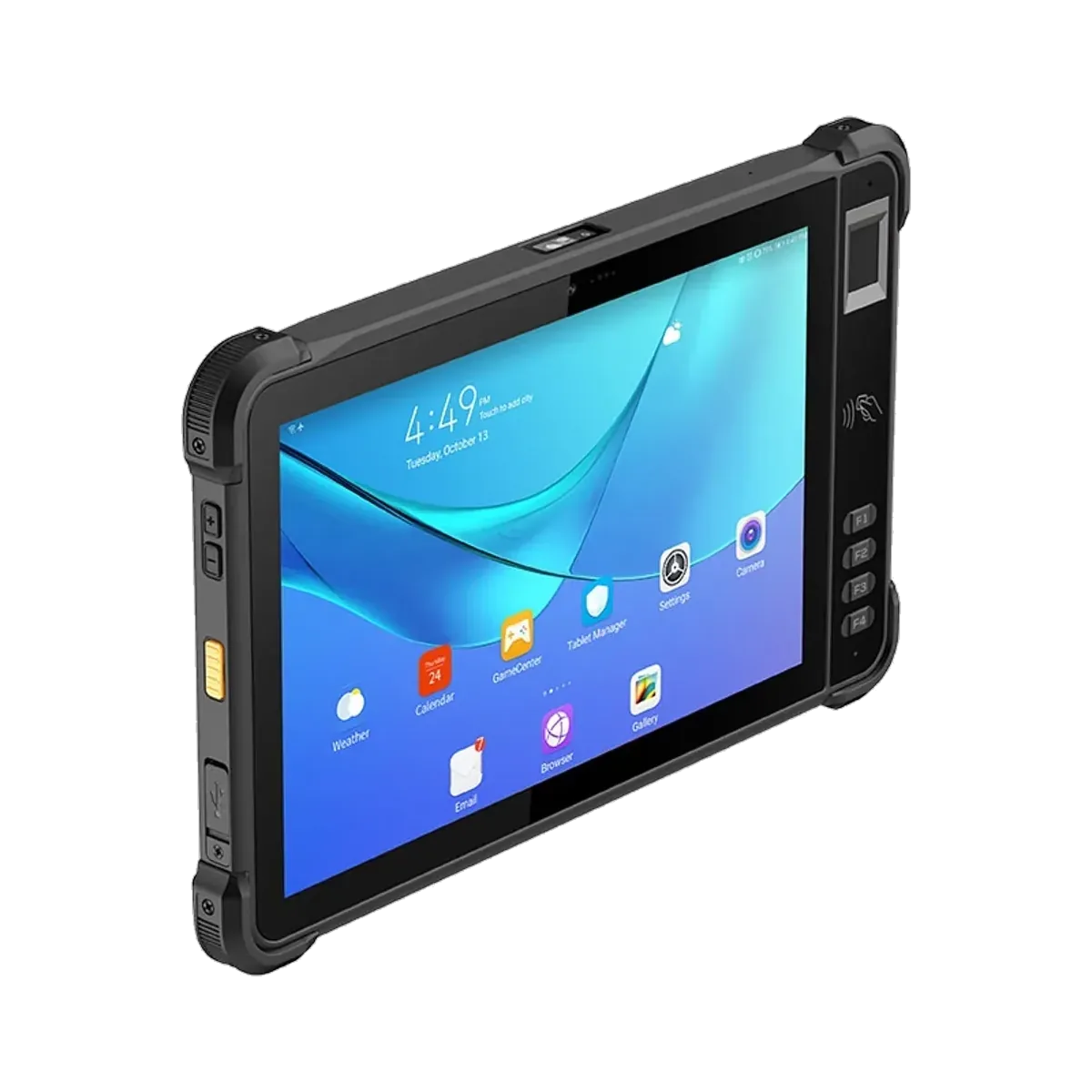
Explore the series → 10.1-inch tabletA 10.1-inch Android platform for inspection, work orders and modular data capture.
Explore the series →Each product line has a different balance of capture method, read range, screen size and field configuration.
LF, HF and UHF handhelds for close-range identification, bulk counts and asset audits.
One range. Three RFID bands. Two performance tiers.
A 5.5-inch Android RFID handheld range with LF, HF and UHF configurations, plus a long-range UHF model for bulk inventory and asset audits.
Rugged Android handhelds with professional 1D/2D scan engines for receiving, picking and field data capture.
Barcode capture. Full-shift power.
A 6.0-inch Android 13 industrial handheld with a professional 1D/2D scan engine, IP68 protection and an 8,000 mAh battery for logistics, warehousing and field data capture.
A 10.1-inch Android platform with standard, RFID, RTK, fingerprint and 5G configurations.
One platform. Five field configurations.
A 10.1-inch Android rugged tablet platform with dedicated standard, RFID, RTK, fingerprint and 5G configurations for inventory, inspection, field service and surveying.
Form factor and capture method are the fastest way to narrow the range. Final configuration follows the application review.
| Product line | Form factor | Data capture | OS | Battery | Protection | Best for |
|---|---|---|---|---|---|---|
| RFID Handheld Series | 5.5-inch handhelds | LF, HF or UHF RFID; optional 1D/2D scanner | Android 10 / 13 | 4,900 / 9,600 mAh | IP65 / IP67 | Close-range identification, bulk inventory and asset audits |
| HT600 | 6.0-inch handheld | 1D/2D scan engine; NFC; LF RFID optional | Android 13 | 8,000 mAh, fast charging | IP68, 1.8 m drop | Barcode-driven logistics, warehousing and field data capture |
| Y100 Series | 10.1-inch tablet | Optional 1D/2D scanner; optional UHF or dedicated RFID version | Android 16 (5G: Android 13) | 10,000 mAh, 30 W PD | IP67 | Inventory, inspection, field service and surveying |
A working deployment also needs the right modules, accessories and a plan for software and staging.
Module availability depends on the model and market.
The accessory range is confirmed per SKU and project.
Deployment scope is agreed before the order.
If your question is not here, send it with your workflow and target market. We will answer it against the actual configuration.
Start with the task. A handheld is better for one-handed scanning in aisles, on a ladder or in the field. A tablet is better when the operator needs a larger screen, inspection checklists, a vehicle mount or modular data capture. The workflow review on our Solutions page describes the usual patterns.
Only confirmed values are shown. Configuration-dependent items are confirmed against the approved datasheet for your SKU, because modules, memory, OS versions and regional approvals vary between models and markets.
Yes, subject to the selected platform. Barcode engines, RFID modules, NFC, fingerprint, RTK / 5G options, memory and accessories are reviewed against the application, target market and production plan. Some options require tooling or minimum quantities.
Send us the workflow, environment, target market and expected volume. We will narrow the range and confirm the configuration, accessories and documentation path for each option.
Share the workflow, environment and target market. We will come back with a shortlist and the configuration questions that matter.